Rhinoplasty

Rhinoplasty, commonly known as a nose job, is a surgical procedure that can improve the appearance and function of the nose. Whether you’re considering rhinoplasty for cosmetic reasons or to correct breathing issues, it’s natural to have questions.

Here, we’ll address some of the most common questions about rhinoplasty to help you understand what to expect and whether it’s right for you.

What is rhinoplasty?

Rhinoplasty is a surgical procedure that reshapes or repairs the nose. It can be performed for aesthetic reasons, functional reasons, or both.

Aesthetic rhinoplasty focuses on improving the appearance of the nose, such as altering its size, shape, or proportions, to better complement your facial features.

Functional rhinoplasty on the other hand, aims to correct structural issues that affect breathing, like a deviated septum or nasal valve collapse.

Am I a good candidate for rhinoplasty?

Ideal candidates for rhinoplasty are those who:

  • Are in good general health
  • Have a fully developed nose
  • Have realistic expectations
  • Are non-smokers

Rhinoplasty is typically performed after the nose has stopped growing. You should be physically healthy without any conditions that could impact healing.

It’s important to have realistic expectations going into the surgery. A consultation with your surgeon can help give you an idea of what to expect and whether a rhinoplasty will deliver the results you want.

If you’re a smoker, it’s also advisable to quit prior to the surgery. Smoking can affect blood flow and delay the healing process, as well as lead to complications.

What does the rhinoplasty procedure involve?

Rhinoplasty is typically performed under general anaesthetic and can take between one to three hours, depending on the complexity of the surgery.

There are two main techniques used, including open and closed methods. With open rhinoplasty, an incision is made across the columella (the narrow strip of tissue that separates the nostrils).

This gives the surgeon easier access to the nasal structures.

In a closed rhinoplasty procedure, all incisions are made within the nostrils, resulting in no visible external scars.

The surgical approach used will be tailored to your specific needs and desired outcome.

What is recovery like after rhinoplasty?

Immediately after the surgery, you may experience swelling, bruising around the eyes, and nasal congestion. Splints or dressings may be applied to support the nose as it heals.

In the first week, most patients can return to light activities and may have splints or stitches removed. Any swelling and bruising should gradually fade over a period of a few weeks.

It’s important to avoid strenuous activities, heavy lifting, and situations that could pose a risk of injury to the nose.

While significant improvements are noticeable within weeks, subtle changes can continue for up to a year as the nose refines to its final shape.

Your surgeon will provide detailed post-operative care instructions to promote healing and minimise discomfort.

Are there risks associated with rhinoplasty?

As with any surgery, rhinoplasty carries potential risks and complications; for example, infection, bleeding and unsatisfactory results that do not align with expectations, although they are relatively rare when performed by an experienced surgeon.

Choosing a qualified and experienced cosmetic surgeon like Mr Nigel Horlock can significantly reduce these risks.

To learn more about rhinoplasty and whether it could be right for you, schedule an appointment with Mr Horlock today.


breast reconstruction

Undergoing breast reconstruction can help restore confidence and a sense of wholeness after a mastectomy or lumpectomy.

However, before surgery, it’s important to understand what the process involves and whether it’s the right choice for you.

Here, we’ll explore what a reconstruction entails, the different types of procedures available, and factors to consider when making your decision.

What is breast reconstruction?

Breast reconstruction is designed to recreate the breast mound after the removal of breast tissue, often due to cancer. The goal is to restore the breast’s shape, size, and appearance, helping patients feel more comfortable and confident in their bodies.

One study showed that compared to mastectomy only, breast reconstruction was associated with greater ‘Satisfaction with breasts’ as well as ‘Psychosocial well-being.’

There are two main methods of breast reconstruction including implant-based and autologous or flap reconstruction.

With implant-based reconstruction, saline or silicone implants are inserted to form the new breast. Autologous or ‘flap’ reconstruction on the other hand, uses tissue transplanted from another part of your body, such as the abdomen, back, or thighs, to rebuild the breast.

Both options can be performed immediately during the mastectomy (immediate reconstruction) or later (delayed reconstruction).

Are there any risks and complications?

Like any surgical procedure, breast reconstruction comes with its own set of risks and potential complications that you’ll need to consider.

Some of the possible risks and complications include:

Infection: As with any surgery, there is a risk of infection at the incision site. Proper wound care and following your surgeon’s post-operative instructions can help minimise this risk.

Bleeding or haematoma: Excessive bleeding may occur during or after surgery, and in some cases, a collection of blood (haematoma) can form, requiring additional treatment.

Scarring: While surgeons make every effort to minimise scarring, some visible scars are inevitable. The appearance of scars can improve over time but may not disappear entirely.

Pain and discomfort: Some patients may experience ongoing pain or discomfort in the reconstructed breast.

Flap failure: In procedures where tissue is transplanted from another area (like the back or abdomen), there’s a risk that the transferred tissue may not establish a sufficient blood supply, leading to partial or complete loss of the flap.

Asymmetry: Achieving perfect symmetry between both breasts can be challenging, and additional procedures may be needed to refine the results.

Changes in sensation: It’s common to experience numbness or changes in sensation in the breast area. While some sensation may return over time, in rare cases it may be permanent.

Consult with a reconstruction expert

When deciding whether a breast reconstruction is right for you, always consult with a qualified, experienced surgeon who can help determine whether you’re a suitable candidate for the procedure.

To determine if breast reconstruction is right for you, book a consultation with Mr Nigel Horlock today. Mr Horlock studied microsurgical breast reconstruction at the University of Ghent in Belgium, and further developed his skills at the Royal Marsden, London.

His expertise in advanced reconstruction techniques ensures that you receive the highest standard of care throughout your journey.

post-pregnancy

Pregnancy is a beautiful and transformative experience, but it can also bring significant changes to your body. After giving birth, many women find that their bodies don’t quite bounce back to the way they were before pregnancy.

For some, diet and exercise alone aren’t enough to address these changes, which is why post-pregnancy cosmetic procedures have become increasingly popular.

These procedures can help restore your pre-pregnancy body and boost your confidence.

Here, we’ll explore some of the most common post-pregnancy cosmetic procedures.

Tummy tuck

A tummy tuck, or abdominoplasty, is a surgical procedure designed to flatten and firm the abdomen. Pregnancy can stretch the abdominal muscles and skin, leading to a belly that may still appear round or saggy, even after you’ve lost the baby weight.

A tummy tuck addresses these issues by removing excess skin and fat while tightening the underlying muscles.

The procedure involves making an incision along the lower abdomen, through which the surgeon can access and repair the abdominal muscles. The skin is then pulled tight, and any excess is removed, resulting in a smoother, flatter midsection.

The benefits of a tummy tuck go beyond aesthetics. For many women, it can also help alleviate back pain and improve posture by restoring core strength. It can also correct issues like diastasis recti, a condition where the abdominal muscles have separated, which is common after pregnancy.

Breast augmentation

Breast augmentation is another popular post-pregnancy cosmetic procedure. Pregnancy and breastfeeding can lead to significant changes in breast size and shape, often leaving breasts looking deflated or uneven. Breast augmentation involves inserting implants to increase the size and shape of the breasts, helping to restore their pre-pregnancy appearance.

The procedure is highly customisable, allowing you to choose the size, shape, and type of implant that best suits your body and aesthetic goals. Whether you want to regain fullness, correct asymmetry, or simply enhance your curves, breast augmentation can help you achieve a more youthful and balanced look.

Beyond the physical changes, breast augmentation can also have a positive impact on your self-esteem. Many women feel more confident and comfortable in their bodies after the procedure.

Targeting multiple areas post-pregnancy

For a comprehensive approach to post-pregnancy body restoration, you could combine several cosmetic procedures into one surgical session. The most common post-pregnancy procedures include a tummy tuck, breast augmentation or lift, and liposuction, though the specific procedures can be tailored to your unique needs.

By combining procedures, you can achieve more dramatic results with a single recovery period, making it a convenient option for busy mums.

Choosing to undergo a post-pregnancy cosmetic procedure is a personal decision, and it’s important to consult with a qualified cosmetic surgeon like Mr Nigel Horlock, to discuss your goals and expectations. He can help you determine which procedures are right for you.

In the end, the goal of any post-pregnancy cosmetic procedure is to help you feel confident and comfortable in your body. Whether you opt for a tummy tuck, breast augmentation, or a combination of procedures, with the right approach and guidance, you can achieve the look you desire and enjoy the results for years to come.

Facelift or Facial Fat Grafting

When it comes to rejuvenating your appearance, two popular options often come up – a facelift and facial fat grafting. Both procedures are designed to help you achieve a more youthful look, but they work in different ways and offer unique benefits.

If you’re trying to decide which procedure is right for you, here we’ll explore what each involves and how to choose the one that best suits your needs.

What is a facelift?

A facelift, also known as rhytidectomy, focuses on reducing the visible signs of ageing in the face and neck. It targets issues like sagging skin, deep creases, and loss of muscle tone.

During the procedure, the surgeon makes incisions around the hairline and ears, then lifts and tightens the underlying tissues and muscles. Excess skin is removed, and the remaining skin is repositioned to create a smoother, firmer appearance.

A facelift can address several areas of concern, including jowls, sagging cheeks, and loose skin on the neck. It’s particularly effective for those who have significant skin laxity and want a more dramatic, long-lasting result.

While a facelift can provide substantial improvement, it’s important to understand that it won’t stop the ageing process. However, it can take years off your appearance and give you a more refreshed, youthful look. You can also opt to undergo a mini facelift, which is less invasive than a full procedure.

What is facial fat grafting?

Facial fat grafting, also known as fat transfer, is a minimally invasive procedure that involves removing fat from one part of your body (such as the abdomen or thighs) and injecting it into specific areas of your face. This technique is great for restoring lost volume, smoothing wrinkles, and enhancing facial contours.

Unlike a facelift, which focuses on lifting and tightening, facial fat grafting adds fullness and helps to rejuvenate the face. The process begins with liposuction to harvest the fat, which is then purified and carefully injected into the areas that need volume, such as the cheeks, under-eye area, or around the mouth.

As the fat comes from your own body, there’s minimal risk of developing an allergic reaction, and the results are natural-looking and long-lasting.

Facial fat grafting is particularly beneficial for those who want to improve their facial features without undergoing more extensive surgery. It can also be combined with other procedures, like a facelift, to achieve a more comprehensive rejuvenation.

Which procedure is right for you?

Deciding between a facelift and facial fat grafting depends on your specific concerns and aesthetic goals. If you’re dealing with significant sagging skin and deep wrinkles, a facelift may be the best option to achieve the results you’re looking for. A facelift provides more dramatic and long-lasting results, particularly if your main concerns are related to loose skin and loss of muscle tone.

On the other hand, if your primary concern is volume loss, such as sunken cheeks or thinning lips, facial fat grafting might be the better choice. This procedure is less invasive than a facelift and is ideal for adding subtle, natural-looking fullness to your face. It’s also a great option if you want to avoid the longer recovery time associated with a facelift.

For some patients, a combination of both procedures might be the best approach. Combining a facelift with facial fat grafting allows you to address both skin laxity and volume loss, resulting in a more youthful and balanced appearance.

Before making a decision, it’s important to consult with a qualified cosmetic surgeon who can assess your individual needs and recommend the most appropriate procedure. They can help you understand the benefits and limitations of each option and create a personalised treatment plan.

In the end, whether you choose a facelift, facial fat grafting, or a combination of both, the goal is to feel more confident and comfortable in your own skin.

Schedule an appointment with Mr Nigel Horlock to discover which procedure will help you achieve your desired results.

replace breast implants

Breast implants carried out today typically last a long time, but they won’t necessarily last a lifetime. This means at some point you may need to have them replaced. There are also other reasons you may want to replace your implants.

Here we’ll reveal some common reasons to replace breast implants and why fat grafting may be an ideal replacement.

Reasons for replacing your implants

Whether you are unhappy with the initial results or you’re experiencing pain and discomfort, here’s some of the common reasons you may want to replace your breast implants:

Lifespan

While modern breast implants are designed to be durable, they are not meant to last forever. Most implants have a lifespan of about 10 to 20 years. Over time, the implant shell can weaken, increasing the risk of rupture or other complications.

Regular check-ups with your cosmetic surgeon can help monitor the condition of your implants and determine when it might be time for an implant replacement.

You are unhappy with the results

Personal preferences and aesthetic goals can change over time. You may find that you are no longer satisfied with the size, shape, or overall appearance of your implants. Advances in implant technology and surgical techniques can offer better options that more closely fit your current preferences.

You may also be unhappy with how the original procedure turned out. If you are unhappy with your results for whatever reason, a revision surgery can help to rectify the problem.

The implants are causing pain or discomfort

Breast implants shouldn’t cause ongoing pain or discomfort. If you experience persistent pain, tightness, or other symptoms, it could be a sign of complications such as capsular contracture, where the scar tissue around the implant tightens.

Replacing the implants and addressing any underlying issues can alleviate discomfort and improve your quality of life.

The implant has ruptured

Although rare, implant rupture is a serious problem that requires immediate treatment. A rupture can occur due to ageing implants, trauma, or other factors.

Saline implant ruptures are usually noticeable quickly as the implant deflates, whereas silicone implant ruptures may be less obvious without an MRI or ultrasound. In either case, replacing the ruptured implant is essential to maintain the desired appearance and prevent potential complications.

Can I choose fat grafting instead?

If you do have your implants removed, fat grafting may be an ideal alternative to having new implants inserted. Also known as autologous fat transfer, it involves taking fat from another part of your body (such as the abdomen, thighs, or flanks) and injecting it into your breasts.

Fat grafting provides a more natural look and feel compared to implants. Since the procedure uses your own body fat, there is no risk of an allergic reaction or implant-related complications. It can also improve the texture and quality of the skin over the breasts and can be adjusted more easily over time to maintain the desired results.

If you are considering having your breast implants replaced, schedule an appointment with Mr Nigel Horlock. He will explain the options available, including the possibility of fat grafting, to achieve the look and comfort you desire.

lipo

A new report from the American Society of Plastic Surgeons has revealed that for the third year in a row, liposuction has remained the most popular cosmetic surgery procedure. While it has always featured in the top five procedures, since 2021 its popularity has skyrocketed.

Here, we look at the reasons lipo remains the leading choice for so many patients.

Fast recovery and little downtime

One of the primary reasons why lipo continues to be the most sought-after cosmetic procedure is its fast recovery time and minimal downtime. Unlike more invasive surgeries, after liposuction, patients can return to their daily routine relatively quickly. Most people resume light activities within a few days and return to their normal routine within a couple of weeks.

The advanced techniques used in liposuction today have significantly reduced the recovery time and discomfort associated with the procedure. These methods involve smaller incisions, less tissue trauma, and reduced bleeding, which all contribute to a quicker and smoother recovery process.

Kickstart a healthier lifestyle

Another reason for the sustained popularity of lipo is its potential to inspire a healthier lifestyle. While liposuction is not a weight loss solution, it can provide the motivation needed to maintain a healthy weight and adopt better lifestyle habits. Many patients find that after seeing the results of their liposuction, they are more inclined to stick to a balanced diet and regular exercise routine to preserve their new body shape.

The procedure can also improve self-esteem and body image, which are critical components of overall health and wellbeing. Feeling good about your appearance often translates into increased confidence and a greater willingness to engage in physical activities.

This positive cycle of improved self-image and healthier habits can lead to long-term benefits that extend far beyond the initial cosmetic improvements.

Removing stubborn pockets of fat

Liposuction excels at removing stubborn pockets of fat that are resistant to diet and exercise. Even with a healthy lifestyle, certain areas of the body, such as the abdomen and thighs, can retain unwanted fat deposits. These stubborn areas can be frustrating and demotivating for those who have worked hard to achieve their fitness goals.

Liposuction provides a targeted solution to these problem areas. By precisely sculpting and contouring the body, it can create a smoother, more proportionate appearance.

The precision of liposuction allows for customised treatment plans tailored to each patient’s unique body shape and aesthetic goals. Whether it’s refining the contours of the abdomen, hips, thighs, or arms, the procedure offers a versatile and effective way to achieve the desired results.

If you are considering undergoing liposuction, schedule an appointment with Mr Nigel Horlock today.

Uneven breasts

It’s more common than you might think for women to have uneven breasts. One study found that out of 117 patients, a striking 81.7% had significant differences between their right and left breasts.

While it is completely normal, it can understandably lead to feelings of embarrassment and affect self-esteem. However, the good news is there are procedures available to help correct the issue and help you regain your confidence.

Here, we’ll reveal the top cosmetic procedures to help you correct uneven breasts.

Breast implants

One of the most popular procedures to address uneven breasts is breast implants. This surgery can effectively balance the size and shape of both breasts, providing a more symmetrical appearance.

During the procedure, implants are inserted to enhance the volume and contour of the smaller breast, or both breasts can be augmented to achieve the desired size and symmetry.

Breast implants come in various shapes, sizes, and materials, allowing for a highly customised approach. The surgeon will make a small incision, typically under the breast, around the nipple, or in the armpit, to insert the implant.

Recovery time varies, but most patients can return to their daily activities within a few weeks. The results are usually long-lasting, giving you the confidence boost that comes with a more balanced and harmonious look.

Breast reduction

For women whose unevenness is due to one breast being significantly larger than the other, breast reduction surgery might be the best option. This procedure involves removing excess breast tissue, fat, and skin from the larger breast to achieve a more proportional size. By reducing the size of the larger breast, the surgeon can create a more symmetrical appearance, alleviating discomfort and improving aesthetic balance.

The surgery typically involves making an incision around the areola and down to the breast crease, allowing the surgeon to remove the necessary tissue.

Recovery time for breast reduction surgery is usually about two to three weeks, with most patients returning to normal activities shortly after. The results can dramatically improve your overall appearance and comfort, providing a significant boost to self-confidence.

Breast lift

A breast lift, or mastopexy, is another effective procedure for addressing uneven breasts, especially when sagging or drooping is a concern. This surgery involves lifting and reshaping the breast tissue to create a firmer, more youthful appearance. It’s particularly beneficial for women who have experienced changes due to pregnancy, weight fluctuations, or ageing.

During a breast lift, the surgeon makes incisions to remove excess skin and reposition the breast tissue and nipple. The goal is to lift the breasts to a higher, more even position on the chest.
Recovery from a breast lift typically takes about one to two weeks, and the results can be both aesthetically pleasing and long-lasting. This procedure not only improves symmetry, but also improves the overall contour and firmness of the breasts.

Whether you choose breast implants, breast reduction, or a breast lift, these surgeries can provide significant improvements in symmetry and boost your confidence.

If you are considering undergoing any of the procedures above, schedule an appointment with Mr Nigel Horlock. He can provide a comprehensive evaluation and personalised recommendations to help you achieve your aesthetic goals.

inherited eye bags

Eye bags are a common concern, often giving the face a tired or aged appearance. While they can result from lack of sleep or lifestyle factors, a recent study has shown that genetics may also play a significant role.

Here, we will explore the findings of the recent study and the best way to address inherited eye bags.

Study shows genes linked with eyelid sagging

A recent study carried out in Paris, aimed to uncover the genetic risk factors behind eyelid sagging, a key contributor to eye bags. It included a total of 502 Caucasian women aged 44 to 70 and found significant genetic links between them. Researchers used standardised photographs to grade the severity of sagging, and conducted a genome-wide association study, adjusting for age and smoking habits.

The study identified two specific genetic markers on chromosome 10, rs16927253 and rs4746957, which were strongly associated with the severity of eyelid sagging. These markers showed a protective effect against sagging.

The research suggests that certain genes, particularly those involved in the H2A histone family and nearby genes related to collagen and cellular processes, play a role in how our eyelids age and sag.

What treatments can help fix inherited eye bags?

Many people turn to fillers as a quick fix for under-eye bags. While fillers can temporarily smooth out the area, they are not always the most effective long-term solution. Fillers need to be repeated regularly to maintain results, which can be costly and time-consuming.

If you are looking for a more lasting solution, blepharoplasty, or eyelid surgery, is a better option. This surgical procedure can address the underlying causes of eye bags and provide long-term results, making it a popular choice for those with significant eyelid sagging.

Correcting eye bags with blepharoplasty

Blepharoplasty is a surgical procedure that removes excess skin, fat, and muscle from the eyelids, effectively reducing the appearance of eye bags. During the procedure, the surgeon makes small incisions in the natural creases of the eyelids, ensuring minimal visible scarring. The result is a smoother, more youthful appearance.

This surgery not only improves how the eye area looks, but it can also improve the function of the eyelids, reducing any discomfort caused by sagging skin. Recovery from blepharoplasty typically involves some swelling and bruising, which subsides within a few weeks, revealing the final results.

If you are looking for a long-lasting solution to inherited eye bags, book a consultation with Mr Nigel Horlock to see if surgery could be the ideal option for you. With a personalised approach, he can help you achieve a refreshed and youthful appearance.

breast implants

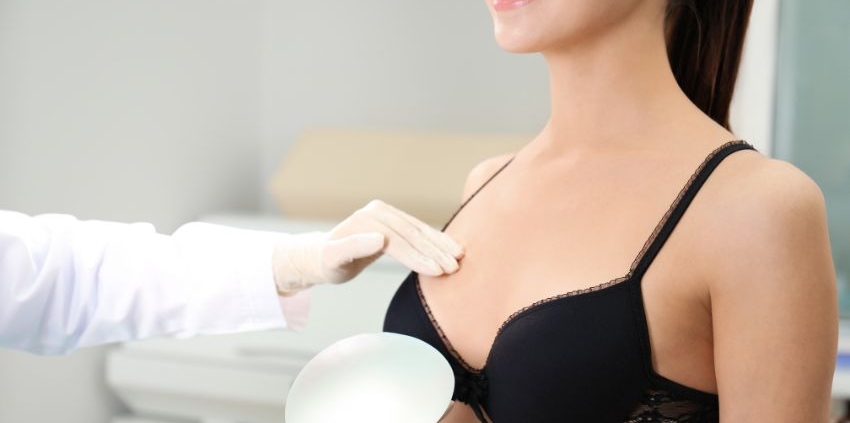
Breast implants have come a long way over the past decade thanks to advancements in surgical techniques and materials. Today, they are generally safer and more reliable than ever before. However, like any surgical procedure, there is still a risk of complications.

If you’re considering getting implants, it’s essential to understand the potential risks involved. Here, we’ll explore some of the complications to be aware of when deciding if breast augmentation is right for you.

Infections

One of the primary concerns with any surgery is the risk of infection, and breast implants are no exception. Infections can occur around the implant site, typically within a few weeks after the surgery. Symptoms of an infection may include redness, swelling, pain, and fever.

While rare, if an infection does occur, it can usually be treated with antibiotics. In severe cases, the implant may need to be temporarily removed to allow the infection to clear up before a new implant is placed.

Following your surgeon’s aftercare instructions can significantly reduce the risk.

Sensitivity

Changes in breast sensitivity are another potential complication. Some women may experience increased sensitivity, while others might notice a decrease. This can affect the nipples or the skin of the breast, and is usually temporary, though it can sometimes be permanent.

These sensitivity changes are often due to nerve damage that can occur during the surgery. The good news is that, for most women, normal sensation returns within a few months as the nerves heal.

Discussing your concerns and expectations with your surgeon before the procedure can help manage any potential sensitivity issues.

Bleeding

Bleeding is another possible complication that can occur during or after breast implant surgery. Postoperative bleeding, or hematoma, happens when blood pools around the implant. This can cause swelling, bruising, and pain, and may require additional surgery to drain the excess blood and stop the bleeding.

To minimise the risk of bleeding, your surgeon will likely advise you to avoid certain medications, such as aspirin and other blood thinners, before and after your surgery. Following these guidelines and maintaining open communication with your surgical team can help reduce the likelihood of this complication.

Asymmetry

While breast implants are designed to enhance and balance your breast size and shape, asymmetry can still occur. This means that one breast may heal differently than the other, leading to uneven results. Asymmetry can be due to a variety of factors, including differences in healing, implant positioning, or pre-existing anatomical differences.

In many cases, minor asymmetry can be corrected with additional surgery. However, it’s important to have realistic expectations and understand that perfect symmetry is not always achievable.

When it comes to minimising the risk of complications with breast implants, choosing a skilled and experienced surgeon is crucial. Mr Nigel Horlock is a member of the British Association of Plastic, Reconstructive and Aesthetic Surgeons (BAPRAS), which speaks to his expertise and commitment to maintaining the highest standards in surgical care.

Mr Horlock uses implants by Johnson & Johnson and Allergan, both of which are renowned for their superior quality and safety. Book a consultation today to learn more and explore the options that best suit your needs and goals.

Beach Ready

Summer is just around the corner, and that means it’s time to get beach ready! While the clock may be ticking, there’s still time to undergo some quick and effective procedures to help you achieve that confident summer body.

Here we’ll explore some of the best procedures you can undergo right now to look and feel fantastic in your swimsuit.

Sculpt your curves with liposuction

One of the most popular and effective procedures to get beach-ready is liposuction. It targets those stubborn fat deposits that just won’t budge, no matter how much you diet or exercise.

Liposuction can help sculpt your body by removing excess fat from areas like the abdomen, thighs, hips, and arms. The procedure involves a small incision through which a thin tube, or cannula, is inserted to suction out fat cells. The recovery period is relatively short, with most people returning to their daily activities within a week or two.

Results are typically noticeable almost immediately, with continued improvement as swelling subsides. So, if you’re looking to trim and tone in time for summer, liposuction could be the perfect option.

Boost your confidence with breast procedures

When it comes to achieving your dream summer body, breast procedures can make a huge impact. Two popular options are a breast lift and breast augmentation.

A breast lift, or mastopexy, is designed to raise and firm the breasts by removing excess skin and tightening the surrounding tissue. This procedure is ideal if you’re looking to counteract the effects of ageing, pregnancy, or weight fluctuations. The result is a more youthful and uplifted breast contour, perfect for that bikini top.

If you’re looking for a fuller bust, breast augmentation might be the way to go. This procedure involves inserting implants to increase breast size and improve shape. While the full recovery period for breast augmentation can take a few months, many patients feel comfortable showing off their new look in as little as a few days. With advancements in surgical techniques, bruising and swelling are minimised.

Achieve smooth, toned legs with a thigh lift

For many, the thighs are a troublesome area where fat and loose skin can accumulate. A thigh lift is a fantastic option to achieve smoother, firmer legs. This procedure removes excess skin and fat from the inner and outer thighs, resulting in a more toned and contoured appearance.

During the thigh lift procedure, the surgeon makes incisions in strategic locations to minimise visible scarring. The recovery period varies, but most people can expect to resume light activities within a couple of weeks. As with other procedures, results will continue to improve as swelling decreases, and the final, more sculpted look is revealed.

With these procedures, there’s still time to achieve your beach body goals before summer hits. Whether you’re looking to slim down, enhance your curves, or tighten up loose skin, there’s a solution to help you feel confident and ready to hit the sand.