
Neck Lift Surgery: Why More Women Are Focusing on the Neck and Jawline
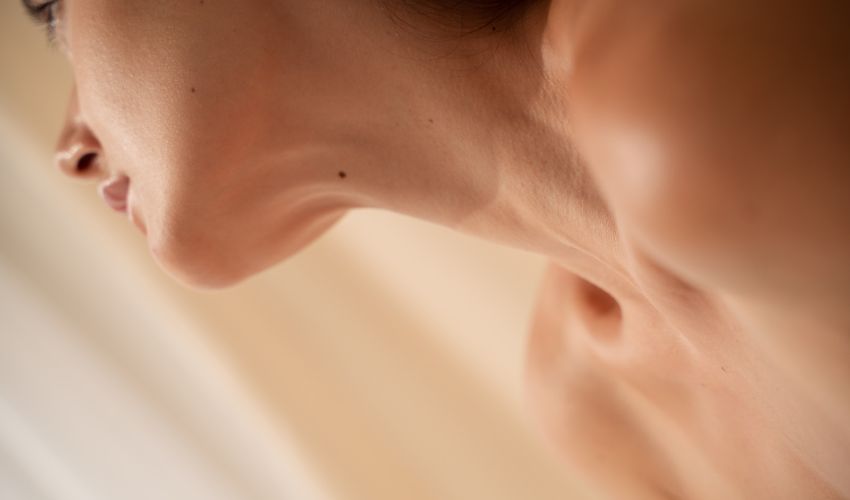
For many women in their 40s, 50s and 60s, the neck is the first area that starts to bother them, often before anything else on the face. Hours spent on video calls and seeing yourself in front-facing cameras haven’t helped. In the US, neck lift surgery grew twice as fast as facelifts in 2024, according to the American Society of Plastic Surgeons. Surgeons are increasingly treating the neck as a procedure in its own right rather than an add-on.
Why the Neck Often Shows Ageing First
The skin on the neck is thinner than on much of the face, and it loses collagen and elasticity over time. Several changes tend to appear together:
- Loose or crêpey skin, sometimes called ‘turkey neck’
- Vertical bands caused by the platysma muscle separating with age
- Fullness under the chin that doesn’t shift with diet or exercise
- A softer jawline as the jowls begin to drop
Significant weight loss can also leave loose skin on the neck. Because these changes are structural, skincare and make-up can only do so much. Non-surgical skin tightening may help mild cases, but results are limited and temporary.
Neck Lift or Facelift: Which Do You Need?
Many people assume a facelift automatically corrects the neck, but the two procedures target different areas. A facelift mainly lifts the lower face and jowls. A neck lift focuses on loose skin, muscle bands and fullness beneath the chin.
The right approach depends on what is causing the changes you can see:
- Fat with good skin tone: liposuction under the chin may be enough to sharpen the profile.
- Loose skin and visible bands: a neck lift removes excess skin and tightens the underlying muscle through small incisions under the chin and behind the ears.
- Jowls as well as neck laxity: combining a neck lift with a facelift often gives the most natural, balanced result.
A good consultation should explain which of these layers is involved, so you can understand why a particular option is being recommended.
What to Expect From Neck Lift Surgery
Neck lift surgery usually takes one to three hours and is performed under general anaesthetic or local anaesthetic with sedation. Some patients stay in the hospital overnight.
Swelling and bruising are normal in the first couple of weeks. You may feel some tightness or numbness, and sleeping with your head raised helps swelling settle. Most people feel ready to return to work and social plans after around two weeks. The final result becomes clear over three to six months. Scars are placed in natural creases under the chin and behind the ears, so they are well hidden once healed.
Your neck will continue to age naturally, but most patients enjoy a smoother, more defined neck and jawline for many years.
If your neck or jawline has started to bother you, book a consultation to discuss whether a neck lift, facelift or a combination would suit you best.
