
Fat Grafting for Breast Reconstruction
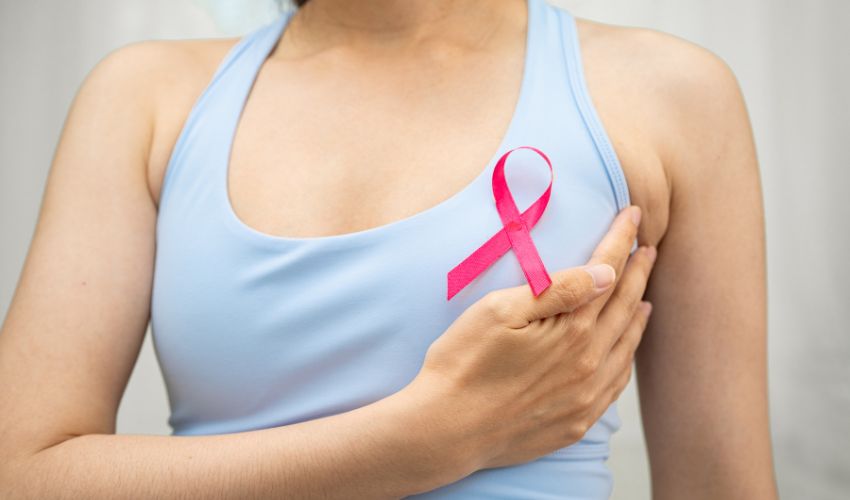
Breast reconstruction has come a long way, and for a lot of women, it’s no longer just about restoring a shape, it’s getting the details right too such as symmetry, softness, and a natural feel that matches the rest of the body. One technique that’s become an increasingly valuable part of that process is fat grafting.
With October marking Breast Cancer Awareness Month, it’s a good time to look at how fat grafting is used in breast reconstruction, who it can help, and what to expect if it’s something you’re considering.
What Fat Grafting Involves
Fat grafting, also known as autologous fat transfer, uses your own fat rather than an implant. Fat is removed from an area such as the tummy, thighs or hips using liposuction, processed to separate it from any fluid or blood, and then carefully injected into the breast using a fine needle.
It’s usually carried out as a day case under general anaesthetic, taking around one to three hours depending on how much work is needed. As it uses your own tissue, there’s no risk of your body rejecting it, which is one of the reasons it’s become such a popular addition to reconstruction, particularly for fine-tuning the final result.
Recovery is generally straightforward compared to more involved reconstructive surgery. Most women take one to two weeks off work, wear a compression garment over the donor site for a couple of weeks, and avoid strenuous exercise for around a month. Some bruising, swelling and discomfort at both the donor site and the breast is normal in the first couple of weeks, and it can take a few months for the final results to fully settle and become clear.
How It’s Used in Breast Reconstruction
Fat grafting isn’t usually used to build a breast from nothing, it works best alongside another reconstruction method, whether that’s an implant or a flap using your own tissue. It’s particularly good at smoothing out any dips or unevenness, improving symmetry between the two breasts, and adding a softer, more natural feel over the top of an implant.
As fat survival varies from person to person, not all of the fat transferred will remain in place long term, typically around half survives for good, so more than one session is sometimes needed, usually spaced a few months apart to allow everything to settle before assessing what’s needed next.
It’s considered safe for most women who’ve had breast cancer, and current evidence doesn’t suggest it increases the risk of recurrence. As with any procedure, factors like smoking or certain health conditions can affect how well the fat takes, which is why a thorough assessment beforehand matters.
A Procedure Mr Horlock Knows Well
Breast reconstruction has been a significant part of Mr Nigel Horlock’s career for many years. Alongside his plastic surgery training, he completed specialist micro-surgical breast reconstruction training in Ghent, Belgium, and developed further expertise in breast reconstruction at The Royal Marsden, one of the UK’s leading cancer hospitals. He continues to carry out breast reconstruction as part of his NHS practice.
If you’ve had breast reconstruction and you’re left with areas that feel uneven, or you’re exploring your reconstruction options for the first time, fat grafting may be worth discussing as part of your overall plan.
Get in touch with Mr Nigel Horlock to find out whether fat grafting could help achieve the result you’re looking for.
